
Delaware Water Gap: A Complete Visitor's Guide
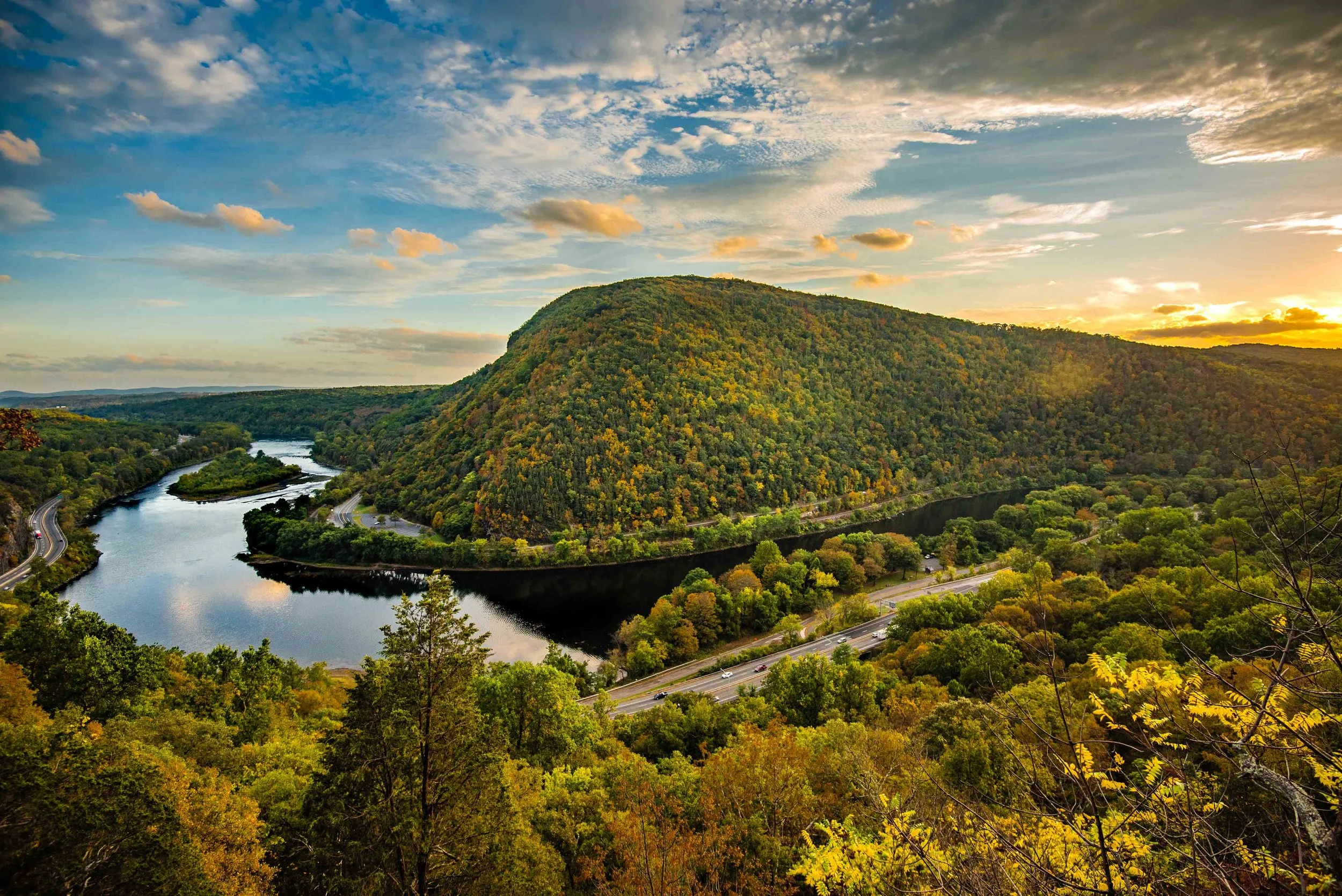
The Delaware Water Gap is one of the most dramatic natural landmarks on the entire East Coast, and it sits right in the heart of the Pocono Mountains region. Whether you are planning a dedicated day trip or you simply want to understand what all the fuss is about, this guide covers everything, the geology, the trails, the waterfalls, the river activities, and the practical details you need to plan a visit in 2026.
Our team at Pocono Pads recommends the Delaware Water Gap National Recreation Area to virtually every guest who stays with us. It is free, it is massive, and it offers something for every type of traveler, from hardcore hikers to families looking for a scenic picnic spot. Let us walk you through it.
What Is the Delaware Water Gap?
Looking for a base camp for all of this? Pocono Pads Management has a range of fully stocked vacation rentals across the Pocono Mountains from lakeside cabins to mountain chalets — all professionally managed and guest-ready from the moment you arrive. Browse properties at poconopads.com.
The Delaware Water Gap is a water gap, a geological feature where a river cuts through a mountain ridge, formed over millions of years as the Delaware River carved a path through the Kittatinny Ridge of the Appalachian Mountains. The result is a narrow, V-shaped notch flanked by two mountains: Mount Tammany (1,527 feet) on the New Jersey side and Mount Minsi (1,463 feet) on the Pennsylvania side. The gap itself is about 900 feet deep and roughly one mile wide at its narrowest point.
The Delaware Water Gap National Recreation Area is a 70,000-acre unit of the National Park Service that extends along 40 miles of the Delaware River, from the gap itself northward to Milford, Pennsylvania and Montague, New Jersey. It was established in 1965 and is one of the most visited units in the National Park Service system, drawing over 4 million visitors annually.
Admission to the recreation area is free year-round. There is no entrance fee, no parking fee (at most locations), and no reservation requirement. It is one of the best free outdoor attractions in the northeastern United States.
How Do You Get to the Delaware Water Gap?
The gap is located where Interstate 80 crosses the Delaware River at the Pennsylvania-New Jersey border, about 75 miles west of New York City and 90 miles north of Philadelphia.
From New York City: Take I-80 West. The drive is approximately 1 hour and 40 minutes without traffic. Exit at the Delaware Water Gap exit (the last exit in New Jersey before the bridge) for the Dunnfield Creek parking area and Mount Tammany trailhead, or cross into Pennsylvania for the town of Delaware Water Gap and Mount Minsi.
From Philadelphia: Take the Northeast Extension of the PA Turnpike (I-476 North) to I-80 East. The drive is approximately 2 hours. Exit at the Delaware Water Gap/Stroudsburg exits.
From Stroudsburg: The gap is about 5 miles east of downtown Stroudsburg via Route 611 or I-80 East. It is a 10-minute drive.
What Are the Best Things to Do at the Delaware Water Gap?
Hiking
Hiking is the primary draw, and the trail options range from flat riverside walks to strenuous mountain climbs.
Mount Tammany (Red Dot and Blue Dot Trails): The most famous hike in the recreation area. The Red Dot Trail ascends steeply to the 1,527-foot summit with panoramic views of the gap. The Blue Dot Trail descends along Dunnfield Creek. The full loop is 3.5 miles with 1,250 feet of elevation gain. Rated strenuous. Allow 2 to 3 hours. Parking at the Dunnfield Creek Natural Area off I-80 is free but fills early on spring and fall weekends, arrive before 8 AM on Saturdays.
Mount Minsi: The Pennsylvania side counterpart. A 5-mile round trip with approximately 1,000 feet of elevation gain. Moderate to strenuous. The summit views look across the gap to Mount Tammany and down to the river. Trailhead parking at Lake Lenape on Mountain Road.
Appalachian Trail: The famous 2,190-mile footpath from Georgia to Maine passes directly through the Delaware Water Gap. You can hike sections of the AT along the ridge of Kittatinny Mountain for as long as you like. The Sunfish Pond hike (approximately 10 miles round trip from the Dunnfield Creek trailhead) is a popular day hike that follows the AT to a glacial lake perched on the ridgetop, one of the most scenic spots in New Jersey.
McDade Recreational Trail: A 32-mile trail that runs along the Pennsylvania side of the Delaware River from Milford to the gap. Mostly flat and suitable for walking, running, and cycling. Multiple access points along River Road and Route 209. A perfect option for families or anyone who wants a scenic walk without a significant climb.
Waterfalls
The Delaware Water Gap National Recreation Area contains some of the tallest and most impressive waterfalls in the mid-Atlantic region. All are free to visit.
Dingmans Falls: 130 feet tall, the second-tallest waterfall in Pennsylvania. Accessed via a short boardwalk trail (1 mile round trip) from the Dingmans Falls Visitor Center in Dingmans Ferry. The boardwalk also passes Silverthread Falls, an elegant 80-foot cascade. Open dawn to dusk, free admission. Partially wheelchair-accessible.
Raymondskill Falls: The tallest waterfall in Pennsylvania at 178 feet, cascading in three tiers. Located off Raymondskill Road near Milford. A short trail (1 mile round trip) descends via stairs to viewing platforms. Free and open year-round, though the stairs can be icy in early spring.
Buttermilk Falls: Located on the New Jersey side near Walpack, this 200-foot cascade is the tallest waterfall in New Jersey. A steep staircase (roughly 300 steps) runs alongside the falls. In spring, the water volume is extraordinary.
Paddling and River Activities
The Delaware River through the national recreation area is one of the premier paddling destinations in the Northeast. The river is Class I to Class II, mostly flat with occasional gentle rapids, making it suitable for canoes, kayaks, and tubes.
Several outfitters operate within the recreation area and offer guided trips, rentals, and shuttle services:
Chamberlain Canoes (Minisink Hills, PA)
Adventure Sports (Marshalls Creek, PA)
Kittatinny Canoes (Dingmans Ferry, PA and multiple NJ locations)
Canoe and kayak trips range from short 2-hour paddles to full-day 15-mile journeys. Tubing is available in summer when water levels and temperatures are appropriate (typically late June through August). Rafting trips on the upper Delaware (north of the recreation area, near Barryville, NY) offer more whitewater for those seeking a bigger thrill.
Spring note: The Delaware River runs high and cold in April and May. Canoeing and kayaking are available for experienced paddlers, but recreational tubing typically does not start until late June. Always check river conditions and wear a life jacket.
Fishing
The Delaware River within the recreation area is a world-class fishery. Smallmouth bass, shad, walleye, muskellunge, and both stocked and wild trout are all present. The spring shad run (April through June) draws anglers from across the region, American shad migrate up the Delaware to spawn, and catching a 3- to 5-pound shad on light tackle is a thrilling experience.
Fly fishing for trout is excellent in the tributary streams, including Dingmans Creek, Adams Creek, and Hornbecks Creek. You will need a Pennsylvania or New Jersey fishing license depending on which side of the river you are fishing from.
Swimming
Official swimming beaches within the recreation area, including Milford Beach and Smithfield Beach on the Pennsylvania side, typically open in late May and close in early September. When open, these beaches are staffed by lifeguards and have restrooms and changing areas. Swimming is free.
Outside of official beach hours, swimming in the Delaware River is at your own risk. The river can have strong currents, especially in spring, and water temperatures in April and May are dangerously cold (often below 50 degrees Fahrenheit). We strongly advise against swimming in the river before June.
Scenic Drives
If you are planning a trip around these experiences, Pocono Pads Management can match you with a rental that puts you close to the action. Our properties are vetted, well-maintained, and stocked with everything you need for a comfortable stay.
If you prefer to experience the landscape from your car, two roads stand out:
Old Mine Road: One of the oldest commercial roads in the United States, running along the New Jersey side of the river from the Water Gap to Millbrook Village. The road passes through farmland, forest, and the preserved 19th-century Millbrook Village, where you can explore restored buildings and learn about rural life in the 1800s.
River Road (Route 209 in Pennsylvania): Runs along the Pennsylvania side from the gap north to Milford, passing through small towns, past trailheads and waterfall access points, and through some of the most scenic river valley landscape in the state.
What Are the Best Spots for Families?
The recreation area is extremely family-friendly. Our top recommendations for families with children:
Dingmans Falls boardwalk: Short, easy, stroller-friendly to the first viewpoint, and the falls are spectacular.
Smithfield Beach: When open in summer, this is a calm, shallow swimming area with picnic tables and restrooms.
Pocono Environmental Education Center (PEEC): Located within the recreation area in Dingmans Ferry, PEEC offers guided nature walks, fossil hunts, and educational programs for children throughout the spring and summer.
McDade Trail sections: Flat, wide, and suitable for bikes, strollers, and easy walking. The section near Hialeah Picnic Area is particularly scenic and has riverside access.
How Many Days Should You Spend at the Delaware Water Gap?
You could spend a week exploring the recreation area and not see everything. But for most visitors, we recommend the following:
One day: Enough for one major hike (Mount Tammany or Mount Minsi) and one waterfall (Dingmans or Raymondskill).
Two days: Enough to hike one mountain, visit two to three waterfalls, and add a river activity (kayaking or a scenic drive).
Three or more days: Enough to hike multiple trails, visit all major waterfalls, paddle the river, explore Jim Thorpe or Milford, and relax at a swimming beach (if visiting in summer).
Most of our guests combine a Delaware Water Gap day with other Poconos activities, a visit to Bushkill Falls, a day at Camelback, or a trip to Lake Wallenpaupack, during a long weekend stay.
Where to Eat Near the Delaware Water Gap
The Village of Delaware Water Gap: A tiny but charming village at the base of the gap on the Pennsylvania side. Deer Head Inn is a historic jazz club and restaurant that has been operating since 1869, live jazz on weekends, excellent food, and a vibe unlike anywhere else in the Poconos.
Stroudsburg: Ten minutes west, downtown Stroudsburg has a vibrant food scene. Saen Thai for authentic Thai cuisine, Sarah Street Grill for upscale pub fare, and Siamsa Irish Pub for a pint and casual bites.
Milford: Twenty-five minutes north along Route 209, Milford is a picturesque town on the river with several excellent restaurants. The Dimmick Inn and Bar Manuel are local favorites.
Where to Stay for a Delaware Water Gap Trip
All of our Pocono Pads properties are within 30 to 45 minutes of the Delaware Water Gap, making them ideal home bases for exploring the recreation area. The Lakefront House (12 guests, lakefront, sauna, jacuzzi) and Cozy 5BR (12 guests, pool, hot tub, fire pit, game room) are both well-positioned for groups splitting time between the gap and Camelback Mountain.
People Also Ask
Q: Are Pocono Mountains vacation rentals family-friendly?
A: Absolutely. Many Pocono Pads Management properties are specifically designed with families in mind — think game rooms, bunk beds, fenced yards, and easy access to kid-friendly attractions like Camelback, Kalahari, and Bushkill Falls. When you browse our listings at poconopads.com, you can filter by group size and amenities so you find a home that actually fits your family, not just one that's technically big enough.
Q: What is the best time to visit the Pocono Mountains in spring?
A: Late April through May is the sweet spot for a spring Pocono trip — wildflowers are in bloom, waterfalls are at peak flow from snowmelt, and the summer crowds haven't arrived yet. Pocono Pads Management sees a strong uptick in bookings for May weekends, so we recommend reserving early if you have specific dates in mind. Weekday stays in April offer the best combination of availability and off-season pricing.
Browse our full property lineup at poconopads.com and let our team help you plan the perfect Delaware Water Gap adventure. We know every trail, every waterfall, and every back road in the area, and we are always happy to share our local knowledge with guests.
